Archery, a sport blending precision, skill, and tradition, relies heavily on the quality and suitability of the target. The material of an archery target directly impacts performance, durability, safety, and cost, making it a critical consideration for both beginners and seasoned archers. From traditional wooden targets to modern synthetic alternatives, each material offers unique advantages and drawbacks tailored to specific use cases. This article delves into the most prevalent archery target materials, analyzing their pros and cons to help archers make informed decisions.
Wooden archery targets stand as one of the oldest and most traditional options, crafted from dense hardwoods like oak, birch, or pine. Their primary advantage lies in authenticity and natural resistance to low-velocity arrows, making them ideal for traditional bow enthusiasts practicing with wooden or low-poundage carbon arrows. Hardwood targets offer decent stopping power and can be refinished by sanding or planing when worn, extending their lifespan. Additionally, they blend well with outdoor environments, adding an aesthetic appeal to backyard ranges or historical archery events. However, wooden targets have notable limitations. They absorb moisture easily, leading to warping, rotting, or splitting in humid conditions—requiring regular maintenance such as sealing or storing indoors. High-velocity arrows or broadheads can penetrate deeply, causing permanent damage that is difficult to repair. Moreover, hardwood is relatively heavy and expensive, making transportation and replacement costly, especially for large targets.
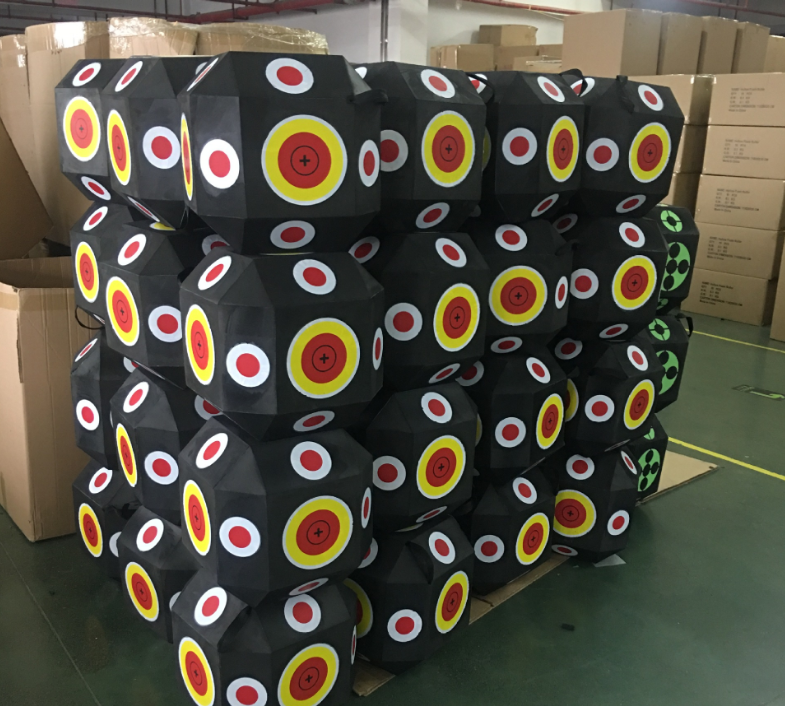
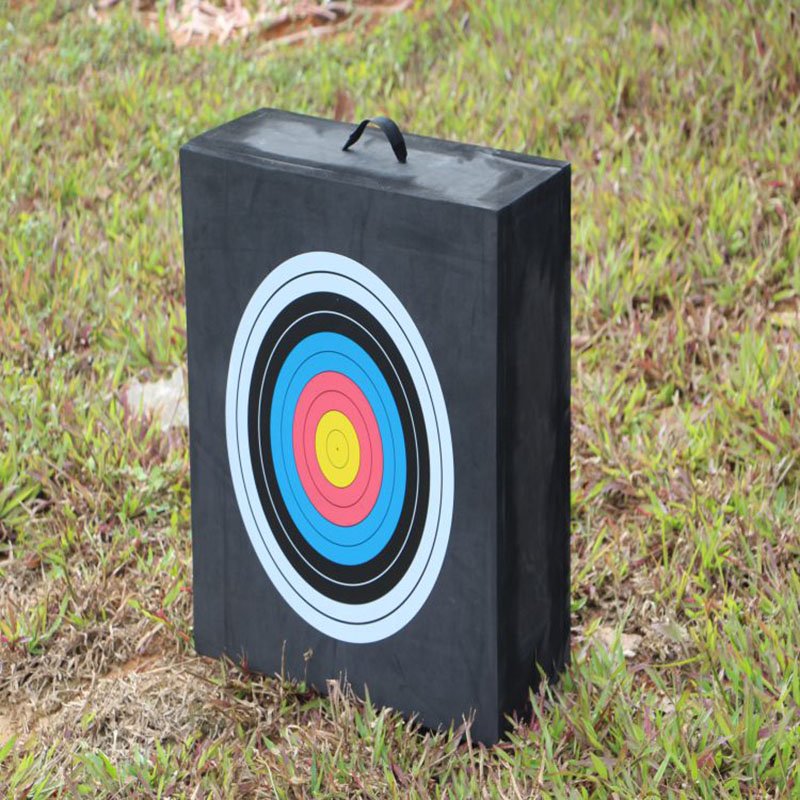
Foam archery targets have emerged as a popular choice in modern archery, particularly for recreational and competitive use. Made from closed-cell or open-cell foam—such as Ethylene-Vinyl Acetate (EVA), Polyethylene (PE), or polyurethane—these targets offer exceptional stopping power and arrow removal ease. Closed-cell foam targets, in particular, resist moisture absorption, making them suitable for outdoor use in various weather conditions. They are lightweight compared to wood, allowing for easy portability and setup, and their uniform density ensures consistent arrow penetration, helping archers refine their accuracy. Foam targets also handle high-velocity arrows and broadheads better than wood, as the material compresses around the arrow and rebounds slightly, minimizing permanent damage. However, foam targets are not without flaws. Open-cell foam absorbs water, leading to weight gain and reduced performance if not protected, while closed-cell foam can be more expensive upfront. Over time, repeated arrow impacts cause compression set, creating permanent holes that reduce stopping power. Additionally, foam targets are less eco-friendly than natural materials, as most are non-biodegradable and require proper disposal.
Paper archery targets are a staple for practice and competition, valued for their affordability and clarity in displaying arrow placement. Typically made from heavy-duty kraft paper, butcher paper, or specialized target paper, they feature printed scoring zones that allow archers to track progress with precision. Paper targets are lightweight, easy to transport, and can be mounted on frames or cardboard backers for use in indoor or outdoor ranges. They are ideal for beginners mastering form and accuracy, as well as competitive archers preparing for tournaments. However, paper targets have significant limitations in durability. They tear easily upon arrow impact, especially with high-velocity arrows or broadheads, requiring frequent replacement. They offer no stopping power on their own, relying on a backing material—such as foam, cardboard, or hay bales—to catch arrows, adding to the overall setup cost. Paper targets are also vulnerable to weather damage; rain, wind, and sunlight can degrade the paper, smudge scoring lines, and render them unusable, limiting their outdoor use without protection.
Fiberglass and composite archery targets represent a high-performance option designed for durability and heavy use. Constructed from layers of fiberglass, plastic, or composite materials, these targets are engineered to withstand repeated impacts from high-velocity arrows and broadheads. Fiberglass targets offer excellent stopping power, as the layered structure absorbs and disperses the energy of the arrow, reducing penetration and minimizing damage. They are highly durable, resisting warping, rotting, and weather damage, making them suitable for long-term outdoor use in harsh conditions. Composite targets often combine fiberglass with foam or other materials to balance stopping power and arrow removal ease, providing a versatile solution for both practice and competition. However, these targets come with a higher price tag, making them less accessible for casual archers or beginners. They are also heavier than foam or paper targets, requiring sturdy mounting and making transportation more challenging. Additionally, while fiberglass is durable, it can splinter over time with extreme use, posing a safety risk if not inspected regularly.
Natural fiber archery targets, such as those made from straw, hay, or sisal, offer an eco-friendly alternative to synthetic materials. Sisal targets, crafted from the fibers of the agave plant, are particularly popular for their durability and biodegradability. They provide good stopping power, as the dense fiber structure catches arrows effectively, and they can be repaired by replacing damaged sections or retying fibers. Natural fiber targets are biodegradable, making them an environmentally responsible choice, and they blend well with outdoor settings. However, they have limitations in moisture resistance; straw and hay absorb water easily, leading to mold growth, rotting, and reduced performance in humid conditions. They require regular drying and maintenance to prevent degradation, and they are less durable than synthetic targets, especially with heavy use. Sisal targets, while more resistant than straw, are still prone to wear over time and may require more frequent replacement than fiberglass or composite options.
In conclusion, the choice of archery target material depends on a variety of factors, including intended use, budget, environment, and arrow type. Wooden targets offer tradition and authenticity but require maintenance and are costly. Foam targets balance performance and convenience but may lack eco-friendliness. Paper targets are affordable for practice but are less durable. Fiberglass and composite targets provide durability and high performance but come with a higher price tag. Natural fiber targets are eco-friendly but vulnerable to moisture. By understanding the pros and cons of each material, archers can select a target that aligns with their needs, enhancing their practice experience and performance in the sport.