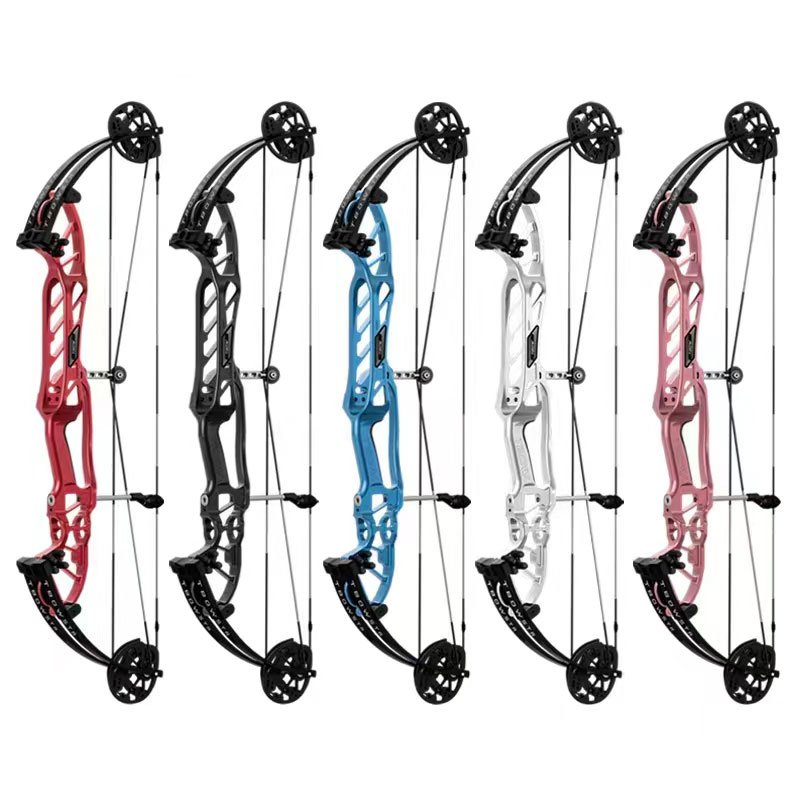
The compound bow string is far more than a simple piece of cordage; it is the critical interface that transfers the bow’s stored energy to the arrow, directly influencing accuracy, consistency, and safety. For archers—whether recreational shooters, competitive athletes, or dedicated hunters—understanding how to maintain and replace this vital component is essential to preserving equipment performance and preventing costly, dangerous failures. Many archers underestimate the impact of regular care, only addressing string issues when fraying, stretching, or breakage becomes unavoidable. By establishing a proactive routine, you can extend the lifespan of your string, maintain peak performance, and ensure your bow remains reliable in every shooting scenario.
Modern compound bow strings are constructed from high-performance synthetic fibers like Dyneema, Vectran, or Spectra, materials chosen for their exceptional strength-to-weight ratio and resistance to stretch. While these fibers are far more durable than traditional materials, they are not impervious to wear. The primary enemies of string longevity are friction, moisture, UV radiation, and environmental contaminants. Regular maintenance, therefore, focuses on mitigating these threats through cleaning, waxing, and inspection.
Waxing is the cornerstone of string care. A high-quality bow string wax forms a protective barrier that seals out moisture, reduces friction between individual strands, and slows the degradation of fibers. For most archers who shoot 2–3 times per week, a waxing schedule of every 2–4 weeks is sufficient. However, during intense periods of use, such as competition season or hunting trips, increasing the frequency to every 1–2 weeks is advisable. If you frequently shoot in dusty, sandy, or humid environments, it is best to wax the string after every outing to prevent abrasive particles from becoming embedded in the fibers. The process is straightforward: first, wipe the string with a soft, lint-free cloth to remove dirt and debris. Then, apply a thin, even layer of wax, working it gently into the string with your fingers. Avoid over-waxing, as excess product can attract more dirt and cause the string to become sticky. Crucially, keep wax away from the serving, cams, and axles, as this can lead to slippage and affect the bow’s timing.
Beyond waxing, a quick visual inspection before each shooting session can catch potential problems early. Look for signs of fraying, loose strands, separated serving, discoloration, or excessive fuzz. Minor fuzz is often a sign of normal wear and can be addressed with a fresh coat of wax. However, if you notice exposed core fibers, separated serving, or broken strands, the string requires immediate attention. It is also important to keep the bow’s cams, idlers, and cable guards clean and free of debris, as these components are in constant contact with the string and can accelerate wear if neglected. Proper storage is another key factor: always store your bow in a cool, dry case, away from direct sunlight, extreme heat, and high humidity. UV radiation and moisture can break down synthetic fibers over time, leading to premature failure.
When it comes to replacement, there is no one-size-fits-all answer, as the lifespan of a string depends on usage, shot count, and environmental conditions. Most manufacturers recommend replacing strings every 2–3 years under normal use, even if the bow is only shot occasionally, as synthetic fibers naturally fatigue over time. For high-frequency users, such as competitive archists who shoot daily or hunters who log hundreds of shots in preparation for season, a replacement interval of 12–18 months is more appropriate. Shot count is a more precise metric: for heavy use, aim to replace the string at 2,500–3,000 shots, while casual shooters can extend this to 5,000 shots. Target bows, which are often subjected to high volumes of repetitive shooting, typically require annual replacement, while hunting bows, with their more moderate use, can often go 2 years before needing a new string.
Ignoring the warning signs of a failing string can have serious consequences. If you notice consistent fraying, broken strands, serving separation, excessive stretch, a change in draw weight, or inconsistent arrow flight, the string must be replaced immediately. A broken string during the draw cycle can cause catastrophic damage to the bow and severe injury to the archer. After replacing the string, it is highly recommended to have a professional at a reputable archery shop check the cam timing, draw length, and poundage to ensure the bow is restored to its factory specifications. This step is often overlooked but is critical to maintaining accuracy and safety.
In conclusion, the key to maximizing the performance and lifespan of your compound bow string is a combination of regular maintenance and proactive replacement. By waxing every 2–4 weeks (or more frequently in heavy use or harsh environments), inspecting the string before every use, and replacing it every 1–3 years based on your shooting habits, you can ensure that your bow remains reliable, accurate, and safe. Whether you are a weekend recreational shooter, a competitive archer chasing podiums, or a hunter relying on your equipment in the field, a consistent string care routine is an investment in your success and safety.