The Art of Longevity: How the Recurve Bow Cultivates a Longer, Healthier Life
In the relentless pursuit of longevity, humanity has often looked to the latest trends in biohacking, pharmaceuticals, or extreme endurance sports. However, ancient wisdom suggests that the secrets to a long life are often found in disciplines that harmonize the body and mind. Among these, the practice of archery—specifically with the recurve bow—stands out as a profound method for cultivating health. While it may not be a magic elixir, the disciplined use of a recurve bow offers a unique synthesis of physical therapy, mental meditation, and respiratory training that directly contributes to a longer, higher-quality life.
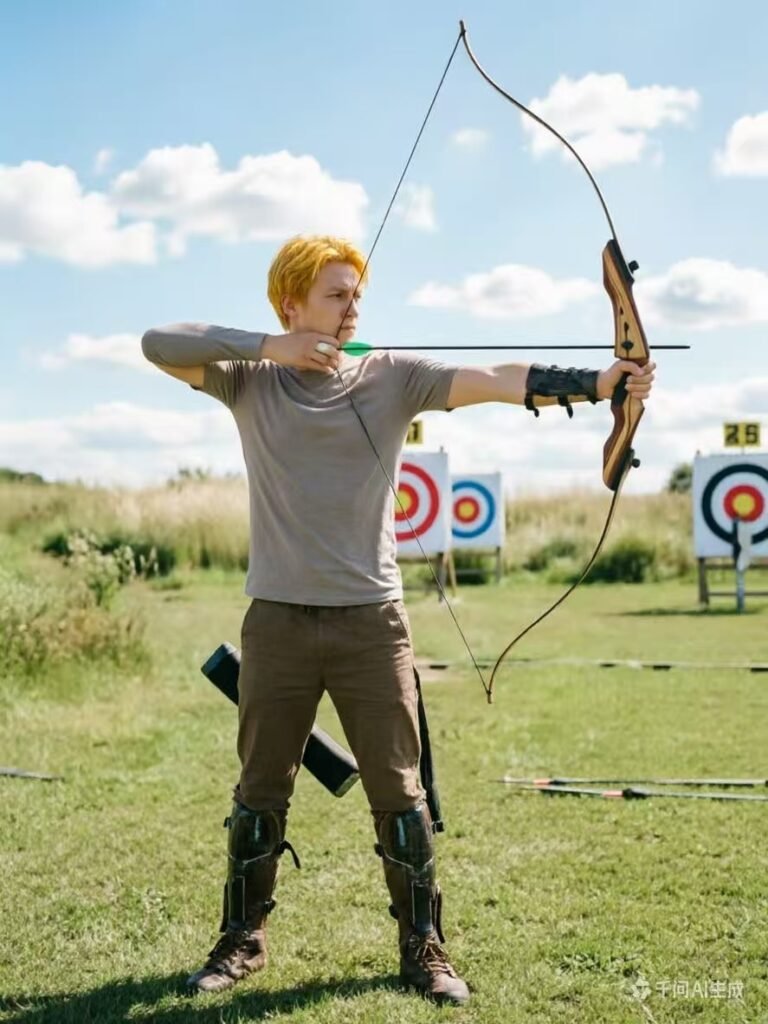
The recurve bow is distinct from other modern bows, such as the compound bow which utilizes a system of pulleys and cables. The recurve is defined by its limbs, which curve away from the archer at the tips. This design requires the archer to hold the full weight of the draw at the anchor point, engaging the body in a sustained isometric hold. It is this specific mechanical characteristic of the recurve bow that transforms the act of shooting from a mere sport into a rigorous exercise in stability, strength, and control.
The physical benefits of drawing a recurve bow are foundational to its life-extending potential. Unlike dynamic movements like running, which can place repetitive stress on joints, archery is a low-impact activity. This makes it sustainable well into old age. The act of drawing the bowstring back engages the large muscle groups of the back—specifically the rhomboids and trapezius—along with the deltoids and pectorals. This isometric contraction strengthens the musculoskeletal system without the jarring impact associated with high-intensity interval training. For an aging population, maintaining muscle mass and bone density is critical for preventing frailty, and the recurve bow serves as an excellent tool for functional strength training.
Furthermore, the biomechanics of shooting a recurve bow enforce perfect posture. To shoot accurately, one must align the skeletal structure efficiently, stacking the joints to support the draw weight. This alignment counteracts the slouching and kyphosis often developed from years of sedentary desk work or modern lifestyle habits. By repeatedly returning the spine to a neutral, elongated position during the shot process, archers actively combat spinal degeneration, ensuring that the central pillar of the body remains strong and flexible.
Beyond the muscles and bones, the recurve bow acts as a powerful instrument for respiratory health. In traditional archery philosophies, breathing is paramount. The shot sequence is inextricably linked to the breath cycle. An archer must inhale to prepare, exhale to settle, and then hold a steady, controlled breath during the expansion and release. This practice mirrors the breathing techniques found in yoga and Qigong. Deep, diaphragmatic breathing increases lung capacity and improves oxygenation of the blood. Over time, this conscious regulation of breath lowers the resting heart rate and improves overall cardiovascular efficiency. The “recurve” style, requiring a steady hold at full draw, demands a calm, steady respiratory system, training the lungs and heart to function with greater economy and less stress.
Perhaps the most significant contribution of the recurve bow to longevity lies in its ability to regulate the mind and nervous system. We live in an era of chronic stress, where elevated cortisol levels silently damage our organs and shorten our lifespans. Archery acts as “moving meditation.” When standing on the line, facing the target, the archer must shut out external distractions and internal chatter. The focus narrows to the sight, the string, and the target. This state of “flow” or “zen” activates the parasympathetic nervous system—the body’s rest-and-digest mode.
The discipline required to shoot a recurve bow fosters emotional resilience. The bow does not lie; it reflects the archer’s internal state. If the mind is agitated, the aim wavers. If the ego is too attached to the result, the release becomes rushed. Learning to shoot well requires learning to let go of anxiety and attachment. This psychological training translates off the range, helping individuals manage life stressors with greater equanimity. A calm mind leads to a calm heart, reducing the risk of hypertension and stress-related illnesses that are primary drivers of mortality in modern society.
Moreover, the social aspect of archery cannot be overlooked. Longevity studies consistently show that strong social connections are a predictor of a long life. Archery clubs provide a community of like-minded individuals who support and encourage one another. It is a sport of camaraderie, where etiquette and respect are deeply ingrained. This sense of belonging combats loneliness and depression, further bolstering the immune system and mental health.
In conclusion, the path to a long life is not merely about adding years, but adding life to those years. The recurve bow offers a holistic approach to wellness that few other activities can match. It strengthens the body through low-impact resistance, heals the posture, optimizes the breath, and calms the mind. By integrating the physical discipline of the draw with the mental clarity of the shot, the archer cultivates a vitality that endures. In the steady pull of the string and the silent flight of the arrow, one finds not just a target, but a timeless path to health and longevity.