The Physiological Symphony of the Traditional Recurve Bow
In the modern fitness landscape, activities are often rigidly categorized into distinct silos: aerobic exercises that elevate the heart rate for endurance, and anaerobic exercises that demand short bursts of intense power. However, the ancient discipline of archery, specifically when practiced with a traditional recurve bow, defies such simplistic classification. It is a unique athletic pursuit that exists in the liminal space between these two physiological states, demanding a sophisticated interplay of muscular strength, cardiovascular stamina, and profound mental fortitude. To understand the traditional recurve bow is to understand a machine that requires the archer to be a complete athlete, capable of generating explosive power while maintaining the endurance of a marathon runner and the calm of a meditating monk.
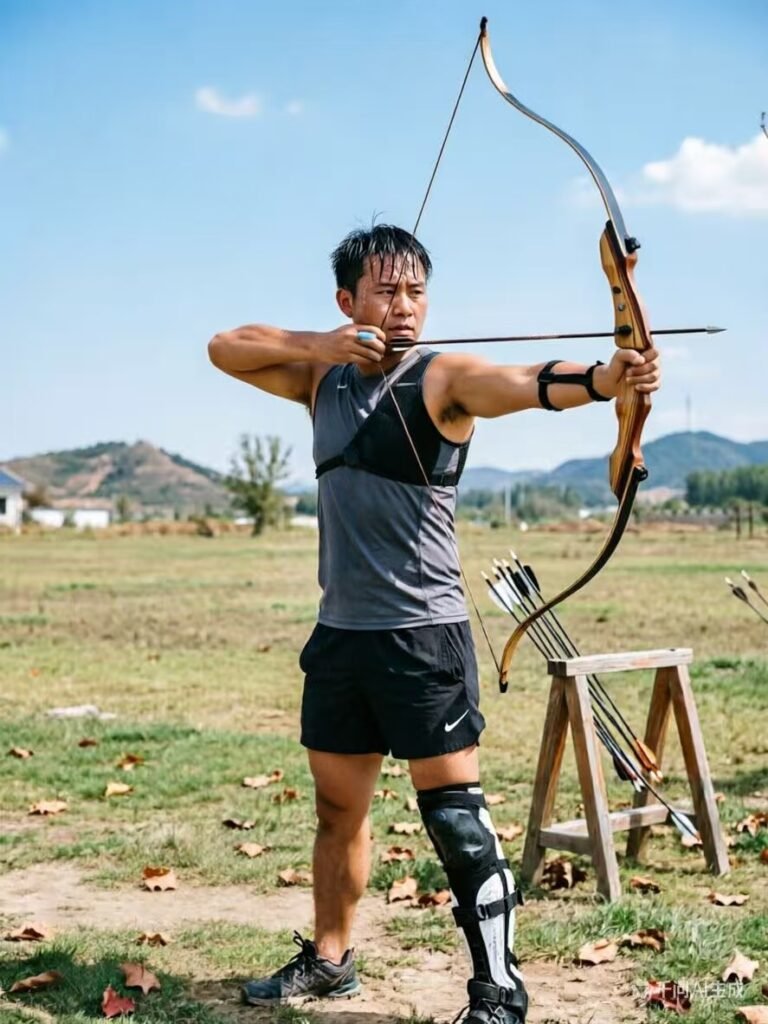
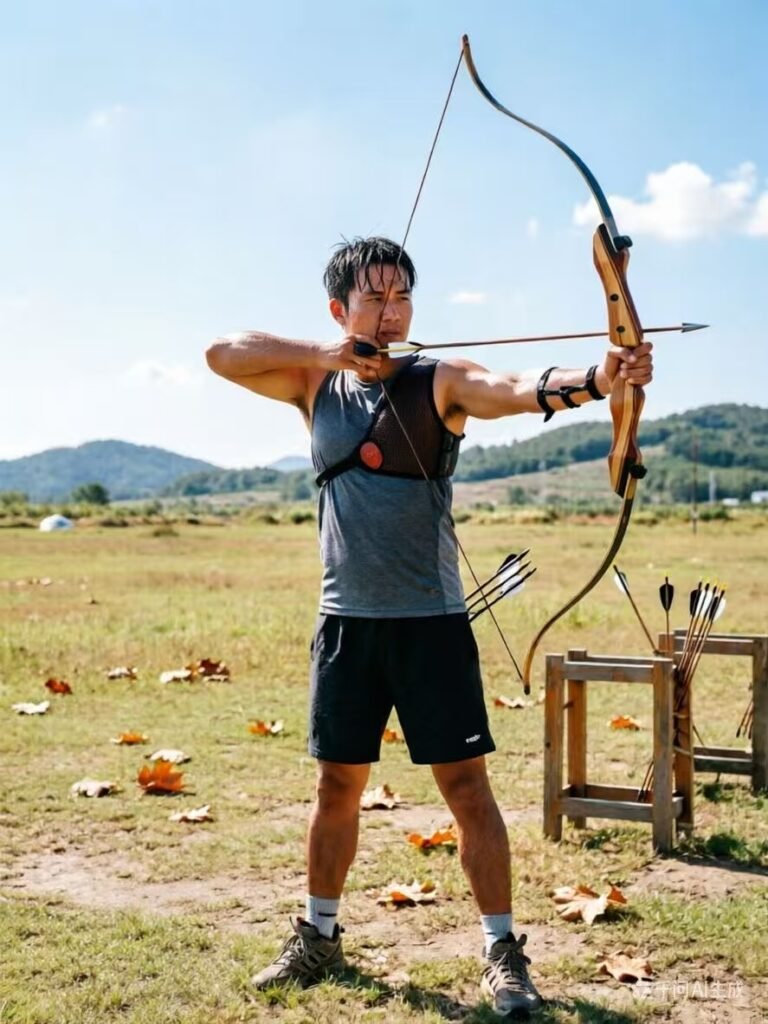
The anaerobic nature of traditional archery is most visibly manifested in the act of drawing the bow. Unlike its modern compound counterpart, which utilizes a system of cams and cables to provide “let-off”—significantly reducing the holding weight at full draw—a traditional recurve bow offers no such mechanical advantage. The draw weight curve is linear and unforgiving; if an archer is pulling a fifty-pound bow, they must exert and sustain fifty pounds of force at full draw. This action is a quintessential example of isometric contraction, a form of anaerobic exercise where muscle tension is generated without a change in muscle length. The primary engines for this exertion are the large muscle groups of the upper back, specifically the rhomboids and trapezius, supported by the deltoids and the muscles of the rotator cuff.
This sustained hold creates a high-demand environment for the body’s anaerobic energy systems. The muscles must rely on adenosine triphosphate (ATP) and creatine phosphate stores for immediate energy, as the duration of the hold—often lasting anywhere from a few seconds to over a minute during a focused aim—does not allow for sufficient oxygen delivery to meet the immediate energy demand of the muscle fibers. The archer is essentially performing a heavy resistance repetition with every shot. The physical sensation of the muscles burning or trembling after a long session is a direct testament to the accumulation of metabolic byproducts, such as lactate, a hallmark of anaerobic glycolysis. Furthermore, the stabilization required to keep the bow arm steady against the recoil and the torque of the string requires intense engagement of the core and shoulder stabilizers, further deepening the anaerobic requirement.
However, to classify archery solely as a strength sport would be a misconception. The aerobic component is woven into the very fabric of the shooting cycle and the duration of the practice. A typical training session or competition is not a series of isolated, maximal efforts separated by long periods of rest, but rather a prolonged, rhythmic activity that can last for several hours. During a standard “round,” an archer may shoot dozens, if not hundreds, of arrows. While the shot itself is anaerobic, the recovery phase—the walk to the target, the retrieval of arrows, and the walk back to the shooting line—relies heavily on the aerobic system. This low-intensity, sustained movement keeps the heart rate moderately elevated, engaging the cardiovascular system to facilitate recovery.
The aerobic system plays a critical role in the archer’s ability to recover between shots. After the intense isometric contraction of the draw, the body must rapidly clear metabolic waste and replenish energy stores to prepare for the next repetition. An archer with a well-developed aerobic base will recover more efficiently, allowing their heart rate to return to baseline quickly. This is crucial because a lower resting heart rate allows for greater physiological stability during the aim. The “pulse” of the archer can be felt in the bow arm; a strong, efficient cardiovascular system ensures that this pulse is steady and manageable. Thus, the aerobic capacity of the archer acts as the foundation that supports the repeated anaerobic spikes of the draw, creating a cyclical rhythm of exertion and recovery that defines the endurance aspect of the sport.
Beyond the binary of energy systems, the traditional recurve bow demands a level of biomechanical integration that few other sports can claim. The recurve design itself—where the limbs curve away from the archer when unstrung—allows the bow to store more energy and deliver it more efficiently than a straight-limbed longbow of the same length. This efficiency, however, requires the archer to possess significant flexibility and coordination. The “kinetic chain” in archery begins at the feet and travels up through the legs, hips, core, back, and finally to the fingers. A break in this chain, such as a weak core or tight hips, results in a loss of power and accuracy.
The act of shooting a traditional recurve bow is a dynamic negotiation of forces. The archer must generate enough torque and back tension to draw the bow, while simultaneously relaxing the bow hand and fingers to allow for a clean release. This paradox—tension and relaxation occurring simultaneously in different parts of the body—requires a highly tuned neuromuscular system. The stabilizer muscles of the core and legs work isometrically to anchor the body against the rotational forces generated by the bow, while the fine motor skills of the face and fingers must remain delicate and precise. This integration ensures that the massive energy stored in the traditional recurve bow limbs is transferred smoothly to the arrow, rather than being dissipated through body movement or torque.
Finally, the traditional recurve bow serves as a bridge between physical exertion and mental discipline. The physiological state of the archer is inextricably linked to their psychological state. The stress of the anaerobic hold can induce anxiety or “target panic,” leading to erratic shooting. Conversely, the aerobic recovery period offers a moment for mindfulness and breath control. The archer must learn to regulate their breathing, syncing their respiratory rhythm with their heart rate to find the perfect moment to release the arrow. This state of “flow” or “zen” is not merely poetic; it is a physiological necessity. The ability to maintain focus amidst physical fatigue is what separates the novice from the master. The traditional recurve bow, devoid of sights, stabilizers, and clickers, strips away all mechanical aids, leaving the archer alone with their body and mind. It demands that the athlete master their own physiology—their strength, their stamina, and their spirit—to achieve the ultimate goal of hitting the mark. In this way, traditional archery is not just a combination of aerobic and anaerobic exercise; it is a holistic discipline that harmonizes the body’s physical capabilities with the mind’s intent.