Hunting with a recurve bow and a compound bow offers two vastly different journeys into the wild—one rooted in traditional simplicity, the other enhanced by modern engineering. While both bows rely on stored mechanical energy to propel arrows, their designs, mechanics, and skill requirements create unique experiences that appeal to different hunters’ values, abilities, and connections to the sport. Below is an exploration of the key contrasts in hunting with these two iconic bows, from preparation and stalk to shot and harvest.
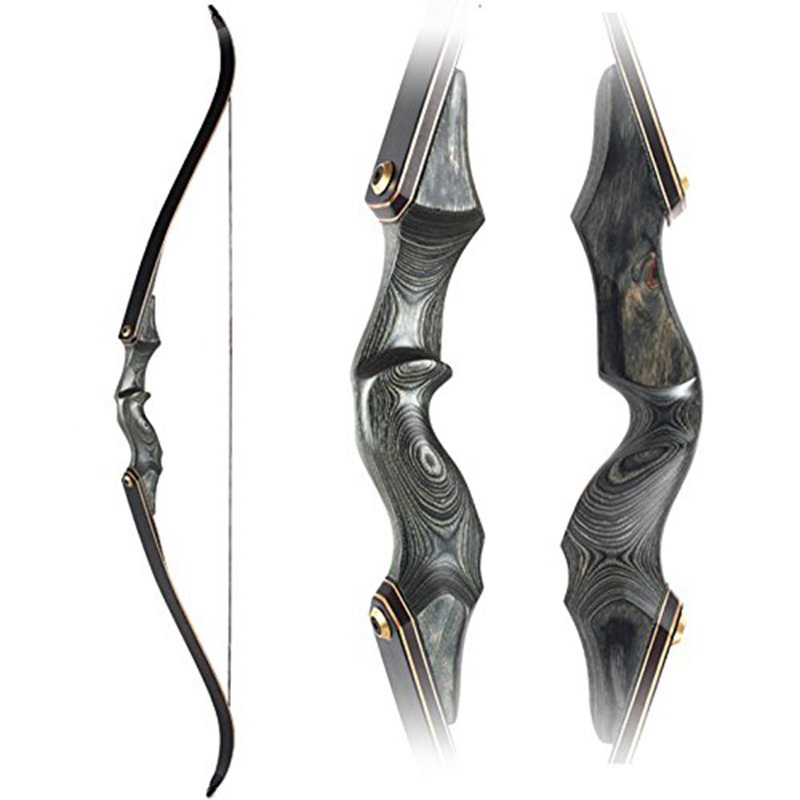
Hunting with a recurve bow is an exercise in primal skill, patience, and intimate connection to the wild, rooted in centuries of traditional archery. Its minimalist design—free of cams, pulleys, or mechanical aids—demands raw physical strength and unwavering discipline: drawing a 40–60 pound recurve bow requires consistent effort throughout the draw cycle, with no let-off to ease tension at full draw, testing upper-body endurance and core stability as hunters hold their aim for critical seconds. The bow’s shorter effective range (20–30 yards) and lower arrow velocity (200–250 feet per second) force hunters to stalk game to extremely close proximity, relying on meticulous scent control, silent movement, and deep knowledge of animal behavior to avoid detection. Every rustle of foliage or flick of an animal’s ear becomes a make-or-break detail, heightening sensory awareness and fostering a profound immersion in the natural environment. Success with a recurve bow feels deeply earned, a triumph of technique over technology, where the hunt is as much about mastering one’s own body and mind as it is about harvesting game—appealing to those who cherish tradition, self-reliance, and the “fair chase” ethos in its purest form.
Recurve bow hunting stands out for its classic design and practicality in the wild. It’s highly portable and lightweight, making it effortless to carry and maneuver through dense forests or tight terrains. With no complex cams or cables, it operates silently for stealthy shots, avoiding spooking wary prey. The simple structure ensures minimal maintenance and reliable performance, even in harsh outdoor conditions. It also offers a smooth draw and natural shooting feel, ideal for hunters who value traditional craftsmanship
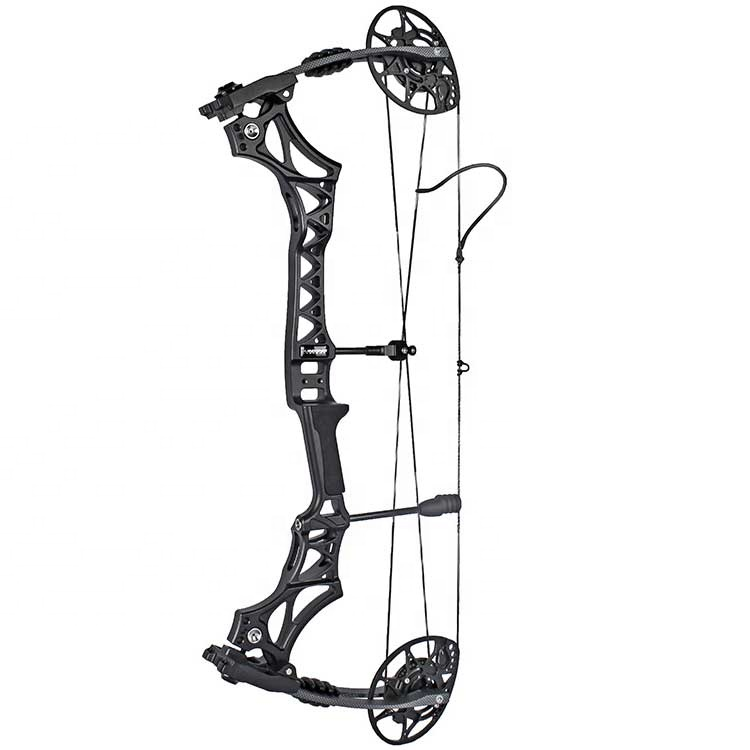
Hunting with a compound bow, by contrast, is a blend of technological precision, strategic flexibility, and accessible performance, shaped by modern engineering. Its defining cam and pulley system creates a significant let-off (reducing hold weight by 50% or more at full draw), allowing hunters to maintain aim for longer periods with less fatigue—even with a 70-pound draw weight, the hold weight may drop to 20–30 pounds. This mechanical advantage, paired with higher arrow velocity (250–350 feet per second) and compatible accessories like multi-pin sights or stabilizers, extends the effective hunting range to 30–40 yards, enabling cleaner shots from tree stands, ground blinds, or open terrain without the need for extreme close-range stalking. The bow’s consistent energy transfer delivers a flatter arrow trajectory, simplifying distance calculations and increasing accuracy, while its technical design shifts the focus from brute strength to equipment tuning and shot strategy. Hunting with a compound bow offers a balance of challenge and efficiency: it retains the core ethics of hunting but reduces physical barriers, making it accessible to archers of varying strength levels. The experience is marked by strategic planning—scouting game patterns, adjusting sight pins for wind and distance—and the satisfaction of leveraging innovation to achieve a humane harvest, resonating with hunters who value reliability, precision, and the fusion of technology with outdoor tradition.
Compound bow hunting boasts high power, accuracy and reduced draw weight. Its cam system delivers fast arrow speed for long-range shots, ensures precise aiming, and eases holding draw, ideal for patient, accurate hunting in diverse terrains.