The Evolution of Nocturnal Archery
The integration of archery and optical technology has reached a pinnacle where the boundaries of time are no longer defined by daylight. For centuries, archery was confined to the hours between dawn and dusk. However, the modern synergy between the compound bow and night vision equipment has unlocked a new dimension of precision hunting and tactical application. This article explores how this powerful combination not only extends operational hours but fundamentally enhances accuracy, stealth, and overall effectiveness in low-light environments.
The Mechanical Advantage of the Compound Bow
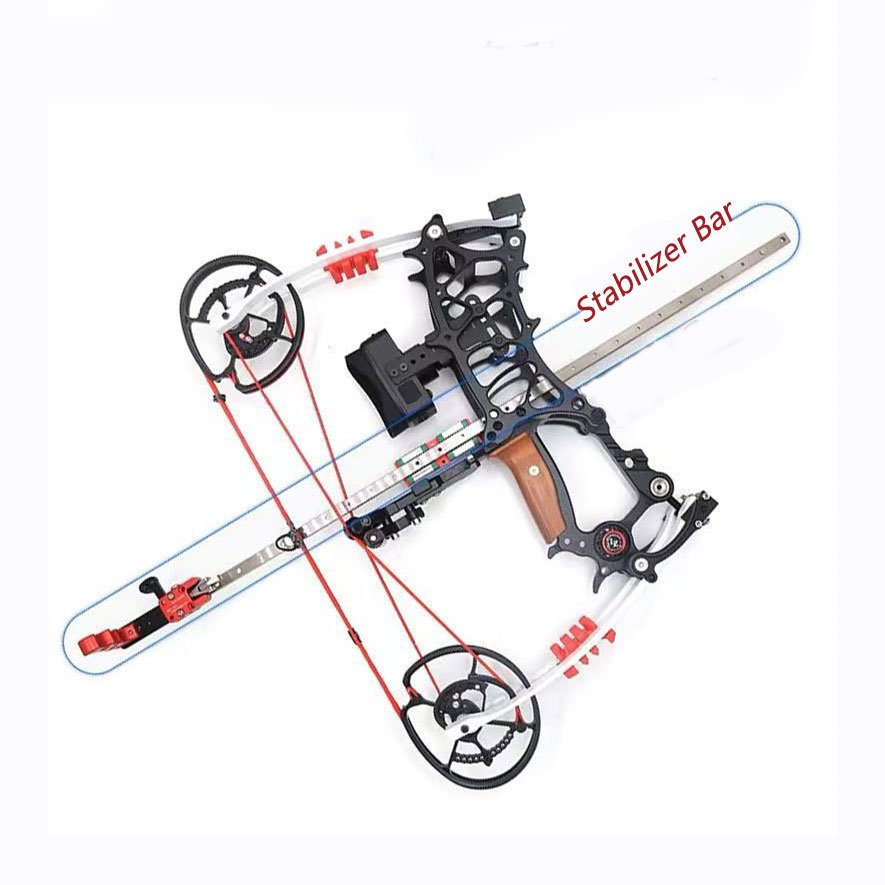
To understand the effectiveness of this pairing, one must first appreciate the engineering behind the compound bow. Unlike traditional longbows or recurves, the compound bow utilizes a system of cams, wheels, and cables to create a mechanical advantage. This design allows the archer to achieve a “let-off”—a reduction in holding weight—at full draw. This feature is critical during night operations. When visibility is low, the aiming process takes longer. The physical relief provided by the let-off allows the shooter to maintain a steady sight picture for extended periods without muscle fatigue, ensuring that the arrow flies true when the shot is finally taken.
Illuminating the Dark: Night Vision Technology
While the bow provides the power, the night vision device provides the eyes. Modern night vision operates on the principle of image intensification. It collects ambient light—moonlight, starlight, or even infrared illumination—and amplifies it through a photocathode and microchannel plate, resulting in a visible green-hued image on a phosphor screen. This technology allows the archer to see clearly in what appears to the naked eye as pitch darkness. For archery applications, monocular night vision devices are often preferred. They allow the shooter to keep one eye open for spatial awareness while aiming through the scope with the other, preserving depth perception and reducing disorientation.
The Physics of Aiming in the Dark
One of the most significant challenges in nocturnal shooting is the alignment of the sight pin with the target. Here, the clever use of blue-light aiming lamps on the bow sight proves invaluable. Human eyes, when dark-adapted, are more sensitive to blue and green wavelengths. By equipping the compound bow’s sight with a blue LED lamp, the archer creates a high-contrast aiming point against the green background of the night vision display. This contrast ensures that the reticle remains crisp and visible, eliminating guesswork and allowing for precise holdover adjustments at various distances.
Tactical Superiority and Stealth
The combination of silence and invisibility creates a tactical advantage that is unmatched. Firearms produce loud sonic booms and muzzle flashes, which can startle nearby game or reveal a tactical operator’s position. In contrast, the compound bow is virtually silent. When paired with night vision, an archer can engage multiple targets in succession without alerting others to their presence. This is particularly useful in pest control scenarios, such as hunting feral hogs or coyotes, which are predominantly nocturnal. The element of surprise is total; the animal detects neither the archer nor the weapon until it is too late.
Precision at Extended Ranges
Modern night vision optics often come equipped with digital zoom capabilities, allowing archers to engage targets at distances previously thought impossible in the dark. A 3x or 5x magnification turns a vague shape in the brush into a clearly defined target. The archer can now judge vital zones with the same clarity as they would during the day. Furthermore, some advanced setups allow for the mounting of the night vision device directly onto the bow’s riser, aligning the optical axis of the scope with the trajectory of the arrow. This setup transforms the night vision unit into a true riflescope, enabling accurate shots at ranges of 40, 50, or even 60 yards after proper calibration.
Psychological Confidence and Training
Operating in darkness can be psychologically daunting. Shadows play tricks on the mind, and every sound is amplified. The possession of night vision technology shifts the psychological dynamic; the hunter no longer fears the dark but owns it. This confidence translates directly into shooting performance. A calm, confident archer is a accurate archer. Additionally, this setup allows for year-round training. Indoor ranges or backyard courses can be utilized late into the evening, maximizing practice time and muscle memory development.
Conclusion
The fusion of the compound bow and night vision represents more than just a technological upgrade; it represents a paradigm shift in archery. It is a testament to human ingenuity, taking a primitive art and elevating it with cutting-edge science. As these technologies continue to become more compact, affordable, and powerful, we can expect to see a new generation of archers who are just as comfortable under the stars as they are under the sun. The night is no longer a barrier—it is the arena.