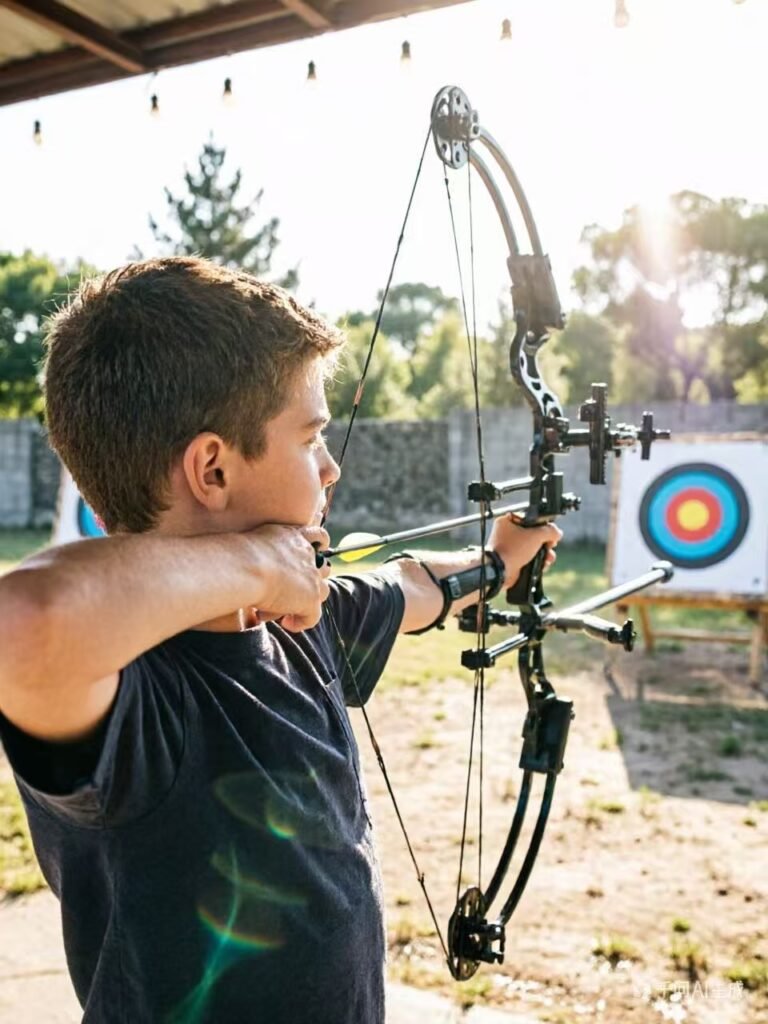
The Archer’s Gaze: How Bow and Arrow Youth Compound Training Enhances Visual Health
In an era dominated by digital screens, the visual health of adolescents has become a critical concern. The proliferation of smartphones, tablets, and computers has led to a surge in myopia and eye strain among young people. While traditional advice often centers on reducing screen time, an active and engaging solution lies in the ancient art of archery. Specifically, the practice of shooting a bow and arrow youth compound setup offers a unique and scientifically supported method for exercising the eyes, improving visual acuity, and fostering long-term ocular health.
The Physiology of Focus: Training the Ciliary Muscles
The primary benefit of archery for vision lies in the physiological demands it places on the eye. Unlike the passive viewing of a television or the fixed focal length of a smartphone, archery requires dynamic and intense visual engagement. When a young archer draws the bow, they must focus intently on a specific target, often at a distance of 10, 20, or even 70 meters. This act of sustained fixation forces the ciliary muscles—the tiny ring-shaped muscles in the eye responsible for controlling the lens shape—to work actively.
In the context of a bow and arrow youth compound system, this focus is even more critical. The mechanical nature of the compound bow, with its “let-off” feature allowing the archer to hold the draw weight for longer periods, extends the duration of this visual exercise. This sustained focus acts as a workout for the eyes, strengthening the muscles responsible for accommodation. By repeatedly shifting focus from the sight pin (near vision) to the target (distance vision), young archers engage in a form of “visual yoga” that can help alleviate the stiffness and fatigue associated with prolonged near-work activities like reading or gaming.
The Compound Advantage: Precision and Visual Clarity
The bow and arrow youth compound is not merely a tool for sport; it is an instrument of precision that demands visual clarity. The compound bow utilizes a system of cables and pulleys (cams) to create a mechanical advantage. This setup often includes a peep sight—a small plastic insert placed within the bowstring that acts as a rear sight. To aim correctly, the archer must align three distinct points: the eye, the peep sight, and the front sight pin, all while keeping the target in sharp focus.
This alignment process requires a high degree of binocular vision and depth perception. For a youth archer, mastering this alignment strengthens the coordination between the eyes and the brain. The necessity of looking through the peep sight forces the dominant eye to take charge, suppressing the non-dominant eye’s input to prevent double vision. This rigorous training enhances the brain’s ability to process visual information efficiently. Furthermore, the high tension and stability of a compound bow mean that any lapse in visual concentration results in a missed shot. This immediate feedback loop compels the adolescent to maintain a level of visual intensity that is rarely achieved in other sports.
Combating Myopia: The “Outdoor Effect”
Research into myopia control has consistently highlighted the importance of outdoor activity. Natural light stimulates the production of dopamine in the retina, a neurotransmitter that inhibits the elongation of the eyeball—a primary cause of nearsightedness. Archery is predominantly an outdoor sport. Whether on a range or in a field setting, the act of using a bow and arrow youth compound kit places the adolescent in an environment rich in natural light.
However, archery goes a step further than general outdoor play. It combines the benefits of natural light with the specific visual task of distance viewing. While a child playing tag might look around randomly, an archer is trained to lock their gaze on a distant object for extended periods. This “distance viewing” counteracts the effects of “near-point stress” accumulated during school hours. By integrating archery into their weekly routine, teenagers effectively balance their visual diet, offsetting the myopiagenic effects of classroom and home environments.
Mental Discipline and Visual Relaxation
The connection between the mind and the eye is profound. Stress and anxiety can manifest physically in the eyes, leading to tension and blurred vision. Archery is often described as “active meditation.” The rhythmic process of nocking the arrow, drawing the string, anchoring, aiming, and releasing requires a calm, focused mind. This mental state induces a physical relaxation response that extends to the ocular muscles.
When a youth archer steps up to the line with their bow and arrow youth compound, they are encouraged to breathe deeply and clear their mind. This reduction in cortisol levels and the subsequent relaxation of the body helps to relax the extraocular muscles. The sport teaches the athlete to filter out distractions—wind, noise, competitors—and focus solely on the target. This mental clarity translates to visual relaxation, providing a respite from the sensory overload of modern life. The “quiet eye” period, a final fixation on the target before the shot, is a state of heightened focus coupled with physical calmness, essential for restoring visual balance.
Safety and Accessibility for Young Archers
One might worry about the safety of introducing high-powered equipment to children, but the bow and arrow youth compound category is specifically designed with safety and adaptability in mind. Modern youth compound bows are highly adjustable. They can be set to low draw weights, allowing children to handle the equipment without strain. This adjustability ensures that the physical act of drawing the bow does not cause injury, allowing the focus to remain on form and vision.
Moreover, the safety protocols inherent in archery—strict range commands, controlled environments, and the use of protective gear—teach responsibility. This structured environment allows the visual benefits to be reaped without the risks associated with unstructured play. The accessibility of the sport means that it is not just for the athletically gifted; it is for anyone willing to learn to see clearly.
Conclusion
The integration of archery into youth activities offers benefits that extend far beyond the physical act of shooting. It is a holistic exercise for the visual system. By engaging the ciliary muscles, improving binocular coordination, leveraging the benefits of natural light, and promoting mental relaxation, the sport serves as a powerful countermeasure to the vision crisis facing today’s youth. The bow and arrow youth compound is more than just sporting equipment; it is a tool for visual therapy. As we look for ways to protect the eyesight of the next generation, we should look to the range, where the simple act of aiming at a target can help them see a brighter, clearer future.